
Is PCAP Touch Screen Suitable for Outdoor Kiosk? (2026 Engineering Guide)
News
Mar-20-2026
A PCAP touch screen is suitable for an outdoor kiosk if it is engineered with optical bonding, high-brightness backlighting, and water-rejection firmware. Standard capacitive screens often fail in uncontrolled environments due to glare, moisture, and temperature fluctuations. In our experience, deploying an off-the-shelf screen leads to "ghost touches" and poor visibility. However, industrial-grade Projected Capacitive (PCAP) technology is now the market standard for rugged deployments. This guide explains the technical requirements to ensure your outdoor kiosk remains functional and durable. We will detail how specific hardware choices prevent common environmental failures.
Outdoor kiosk markets are expanding rapidly. According to Grand View Research, this sector expects a CAGR of 12.3% through 2030. This growth drives the need for durable touch screen interfaces that can withstand 24/7 public use. By understanding the core challenges of outdoor integration, you can specify the right hardware for your project.
Is PCAP touch screen technology suitable for outdoor kiosks?
Yes, PCAP technology is the preferred choice for outdoor kiosks because it supports multi-touch interaction through thick, vandal-resistant cover glass. Unlike resistive screens, PCAP lacks moving parts and sensitive plastic films that degrade in the sun. This makes PCAP panels significantly more durable for high-traffic public areas. However, its suitability depends on specific modifications that address sunlight, moisture, and physical security.
Superior Durability Over Resistive
Resistive screens rely on a flexible top layer that can be easily punctured or worn down. In contrast, PCAP uses a solid glass front. This vandal resistant capacitive panel structure ensures the screen survives harsh physical contact. Furthermore, PCAP provides the modern gesture-based experience users expect from their smartphones.
The Role of Customization
Standard PCAP panels are designed for indoor use. Outdoor environments require a capacitive touch custom screen that includes UV protection and enhanced thermal management. Without these features, the display will eventually suffer from yellowing or component failure. When we tested standard panels outdoors, they often shut down due to heat absorption. Professional manufacturing prevents these issues.
Challenge 1: Sunlight Readability and Glare
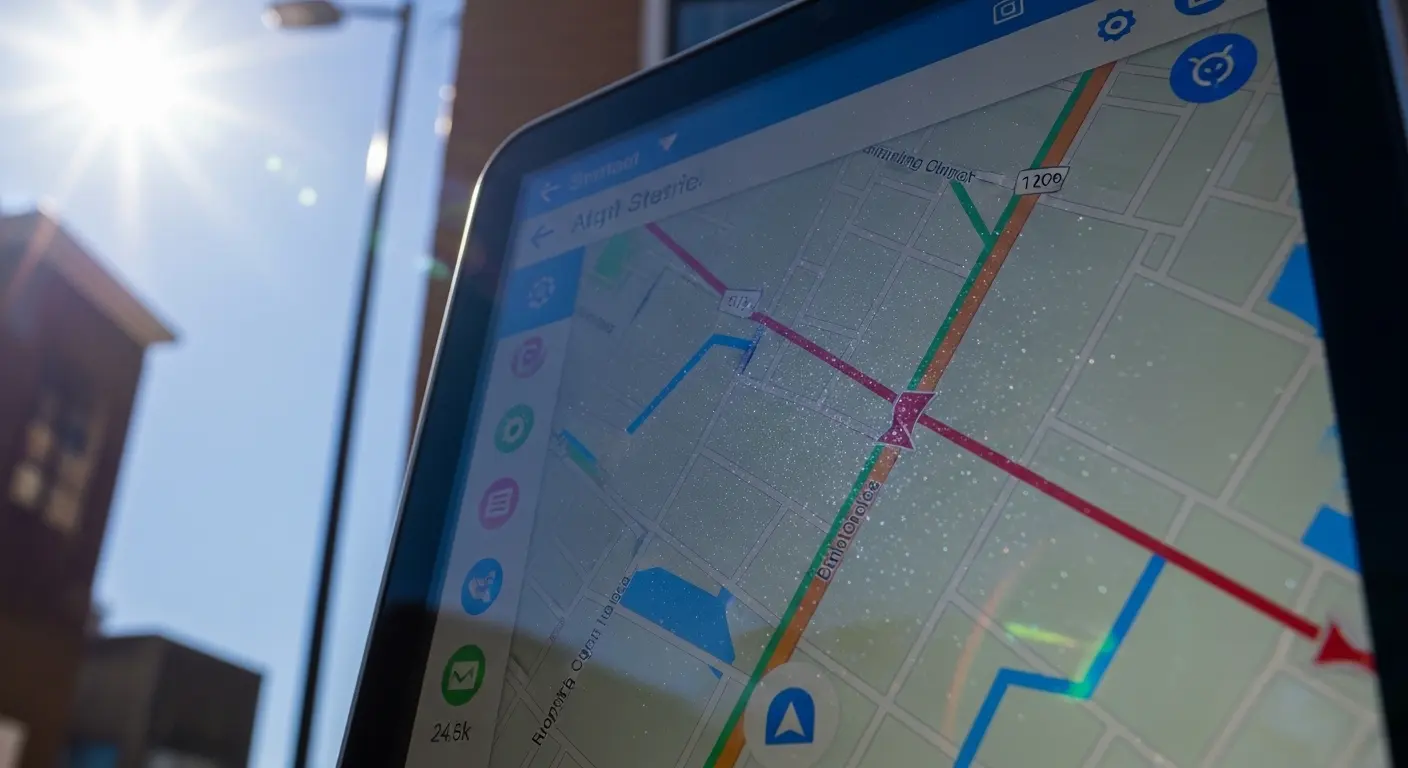
Outdoor kiosks face direct competition from ambient light. A standard display typically offers 300 nits of brightness. This is insufficient for outdoor use. To remain readable, an outdoor display must achieve a minimum of 1000 to 1500 nits. This data comes from DisplayDaily, which highlights the necessity of high-brightness backlighting in the 2026 market.
The Importance of Optical Bonding
Optical bonding is a critical process for outdoor visibility. It involves filling the air gap between the touch sensor and the LCD with a clear adhesive. This eliminates internal reflections that wash out the image. According to Photonics Media, air gap assemblies lose 4% to 5% of their brightness at every internal layer.
Enhanced Contrast and Clarity
By removing the air gap, optical bonding services improve contrast ratios by up to 300%. This allows the screen to be visible even in high-glare environments. Furthermore, bonding prevents internal condensation and fogging in humid climates. This ensures the capacitive touch screen use cases remain viable in any geographical location.
How does weather and rain affect PCAP outdoor performance?
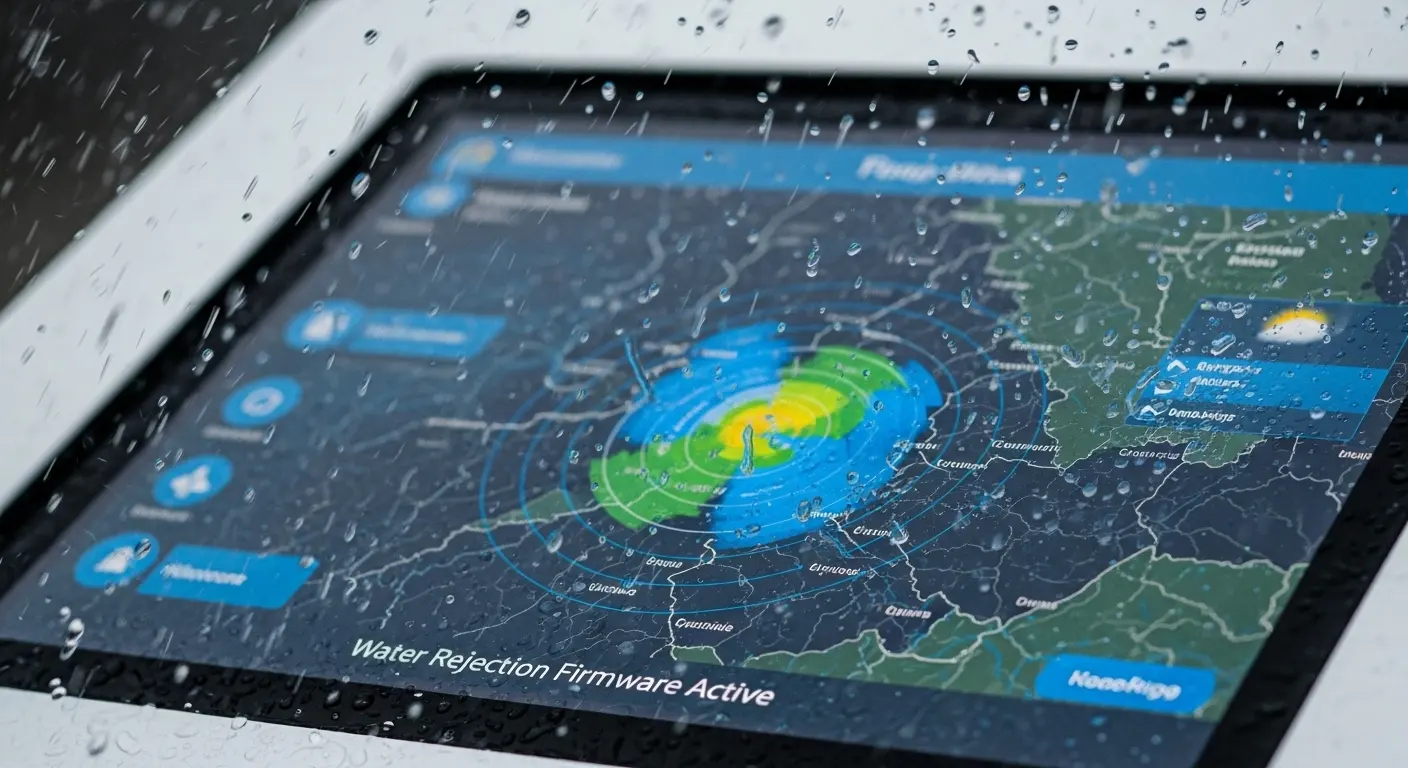
Rain and snow can cause "ghost touches" on standard PCAP screens because water is conductive. However, outdoor-ready PCAP panels use advanced controllers that utilize mutual capacitance screen technology to distinguish between water and a finger. These controllers are specifically tuned with firmware that ignores conductive liquid droplets.
Advanced Controller Tuning
We recommend using high-end controllers from brands like EETI or Ilitek. These chips allow for sophisticated "Water Rejection" algorithms. When rain hits the surface, the controller calculates the electrical signature of the water. It then filters out these signals. This keeps the kiosk functional during a storm while maintaining 10-point multi-touch sensitivity for the user.
Wet Finger Tracking
Reliable outdoor kiosks must also support "Wet Finger Tracking." This allows a user to interact with the screen even if their hands or the screen surface are wet. Professional firmware tuning ensures that the touch coordinates remain accurate. Based on our experience as a capacitive touch screen manufacturer, this tuning is the most important step for outdoor reliability.
Vandalism and Durability: The IK10 Standard
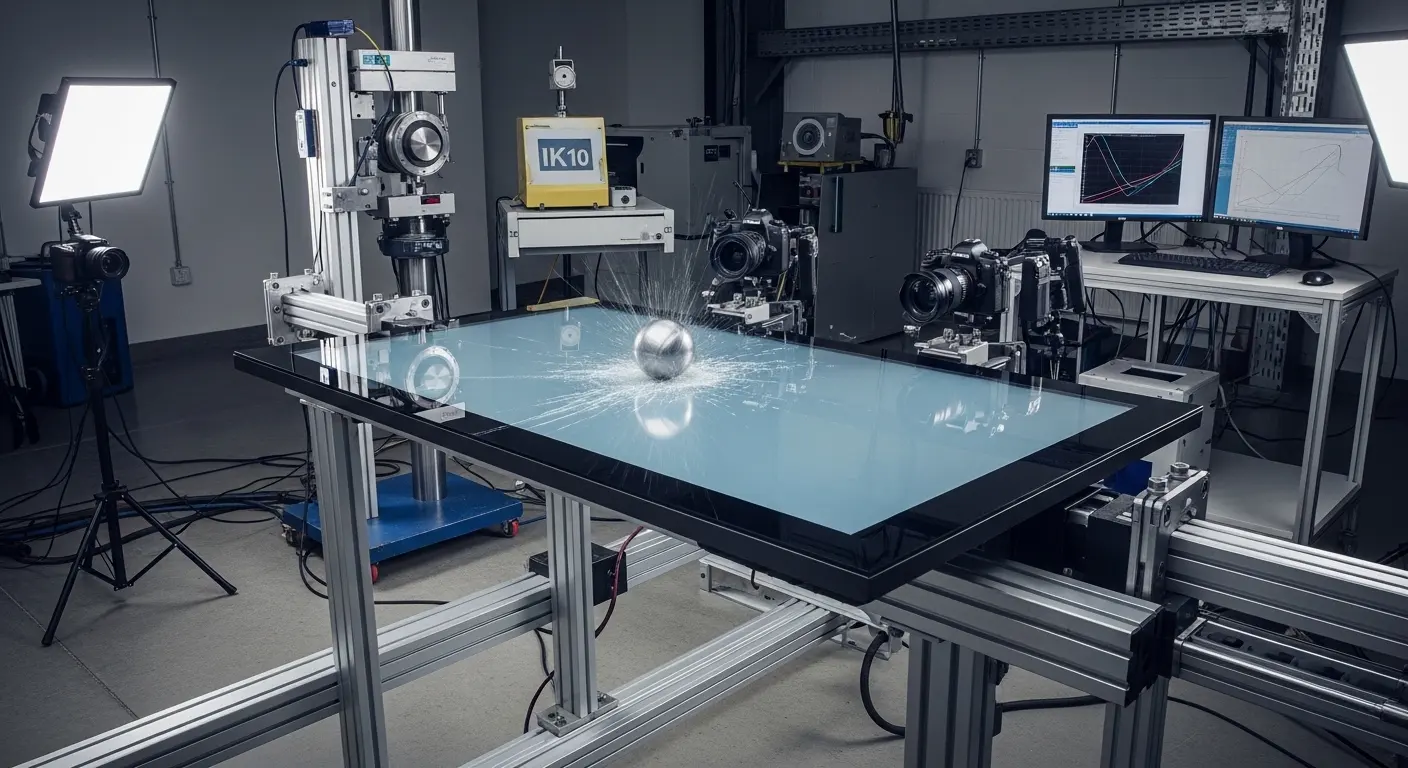
Public kiosks are often targets for vandalism or accidental impact. PCAP screens are uniquely suited for these environments because they can function through very thick cover glass. We often use Glass-on-Glass (G+G) construction to achieve maximum impact resistance. This design places the sensitive touch sensor behind a thick, tempered protective layer.
Meeting IK10 Requirements
The IK10 rating is a global standard for impact protection. It signifies that a device can withstand a 20-joule impact. This is equivalent to a 5kg steel mass dropped from 40cm. This standard is defined by IEC 62262. For outdoor kiosks, achieving IK10 usually requires cover glass that is 6mm to 10mm thick.
Protection Without Sensitivity Loss
One major advantage of PCAP is that increasing glass thickness does not significantly reduce touch sensitivity. By adjusting the controller's drive voltage, we can maintain high performance through 12mm of glass. This ensures your kiosk is both secure and user-friendly. Proper touch screen installation solutions further enhance this durability by providing secure mounting frames.
UV Protection and Thermal Management
Long-term exposure to solar radiation is a silent killer for outdoor displays. UV rays can cause the Optically Clear Adhesive (OCA) to yellow and become brittle. Additionally, the infrared (IR) portion of sunlight creates immense heat. This can lead to isotropic failure, where the LCD crystals temporarily turn black.
Preventing UV Degradation
To prevent yellowing, we integrate UV-blocking films into the touch panel assembly. These films filter out harmful wavelengths before they reach the internal layers. This is essential for maintaining the optical clarity of the capacitive touch screen manufacturer's products over several years of use. According to the Society for Information Display, UV protection is mandatory for plastic-based sensors used outdoors.
Managing Thermal Loads
Thermal management involves more than just cooling fans. It requires a design that reflects heat away from the LCD. We use Anti-Reflective (AR) coatings that also have heat-rejecting properties. This keeps the internal temperature within the safe operating range. In our experience, kiosks without thermal optimization often suffer from shortened component lifespans or midday shutdowns.
PCAP Selection Checklist for Outdoor Kiosks
When sourcing a PCAP touch screen for an outdoor project, use the following technical checklist. These specifications ensure your deployment will survive the rigors of the environment.
| Feature | Requirement | Benefit |
| Brightness | 1000 - 1500+ Nits | Ensures visibility in direct sunlight. |
| Bonding | Full Optical Bonding | Eliminates glare and internal fogging. |
| Controller | EETI or Ilitek (Tuned) | Provides water rejection and noise immunity. |
| Cover Glass | 6mm+ Tempered (G+G) | Meets IK10 vandal-resistance standards. |
| Coatings | AR (Anti-Reflective) | Reduces surface glare by up to 90%. |
| UV Filter | 99% UV Blocking | Prevents yellowing of adhesives and sensors. |
If your current supplier does not meet these criteria, the kiosk is likely to fail in the field. Professional touch screen installation solutions must account for every item on this list.
FAQ: PCAP in Outdoor Kiosks
Can capacitive touch screens be used in direct sunlight?
Yes, but only if they have high-brightness backlighting and anti-reflective (AR) coatings. A standard screen will be unreadable. Optical bonding is also required to maximize contrast and clarity under the sun.
Does rain cause false touches on PCAP?
Standard PCAP screens will struggle with rain. However, outdoor-grade PCAP panels use specialized controller tuning to ignore water. This ensures that only intentional finger touches are registered, even during heavy rain.
Which is better for outdoor: PCAP or Resistive?
PCAP is significantly better for outdoor kiosks. It offers higher durability, multi-touch support, and better optical clarity. Resistive screens use plastic films that are easily damaged and degrade quickly under UV exposure.
How thick can the cover glass be on an outdoor PCAP?
PCAP can typically support cover glass thickness up to 10mm or 12mm. This allows the display to meet IK10 vandal-proof standards without losing touch responsiveness.
Does optical bonding prevent fogging?
Yes. Optical bonding fills the air gap with adhesive. This prevents moisture from entering and condensing behind the glass. It is the most effective way to eliminate internal fogging in humid outdoor environments.
Conclusion
A PCAP touch screen is the best choice for an outdoor kiosk when it is customized for environmental challenges. By prioritizing optical bonding, high nits, and water-rejection tuning, you can deploy a reliable interface. These technical choices prevent the common pitfalls of sunlight glare and weather-induced ghost touches. Furthermore, the inherent durability of the glass-fronted PCAP design provides superior protection against vandalism.
In summary, remember these three keys:
- Use optical bonding and 1000+ nits for sunlight readability.
- Specify EETI/Ilitek controllers with water-rejection firmware.
- Ensure IK10 rated cover glass for public security.
Are you planning an outdoor kiosk deployment? Contact the WANTY engineering team today to discuss a custom solution tailored to your environment.
Written by Hasanur Rahman Sony | PCAP Technology Strategist
Related Topics

Industrial Touch Display Technology Trends in the Era of Industry 4.0
Aug-07-2026

Touch Panel Selection Guide for Industrial, Outdoor, and Commercial Applications
Aug-07-2026

How to Choose the Right Touch Display Solution for Your Project
Aug-07-2026

How to Choose an Industrial Capacitive Touch Screen: 2026 Guide
Aug-07-2026
Get a Free Quote
✔ 16 Years Manufacture Service ★★★★★
✔ 3 Technical Experts And 52+ Project Engineers Will Assiste You
✔ Wanty Employs Over 52 Engineers, Many Of Whom Come From Leading Tft Lcd Module Companies Such As Tianma And Boe-Varitronix. Each Core Team Member Brings 15 Years Of Industry Experience.
✔ If you would like more information about our products and services, please contact us. Whether you need a standard solution or a customized one, we are here to meet your needs.
✔ Please complete the form below, and the selected location will contact you promptly. Thank you for visiting, and have a great day!
