
5 Inch Capacitive Touch Panel: The Ultimate Professional Integration Guide
News
Mar-11-2026
A 5 inch capacitive touch panel is the premier choice for modern electronic interfaces, offering high-sensitivity multi-touch capabilities in a compact, durable form factor. These panels use the electrical conductivity of the human body to register inputs, providing a superior user experience compared to traditional resistive screens. In the current landscape of industrial and consumer electronics, the 5-inch diagonal has become the gold standard for handheld devices and embedded control systems.
In my experience as a strategist, I have seen how the right interface determines a product's market success. Moving to a 5-inch capacitive touch screen isn't just a technical upgrade; it's a commitment to usability. These panels allow for the same fluid gestures—like swiping and pinching—that users have mastered on their smartphones, bringing a high-tech feel to professional equipment.
What is a 5 Inch Capacitive Touch Panel?
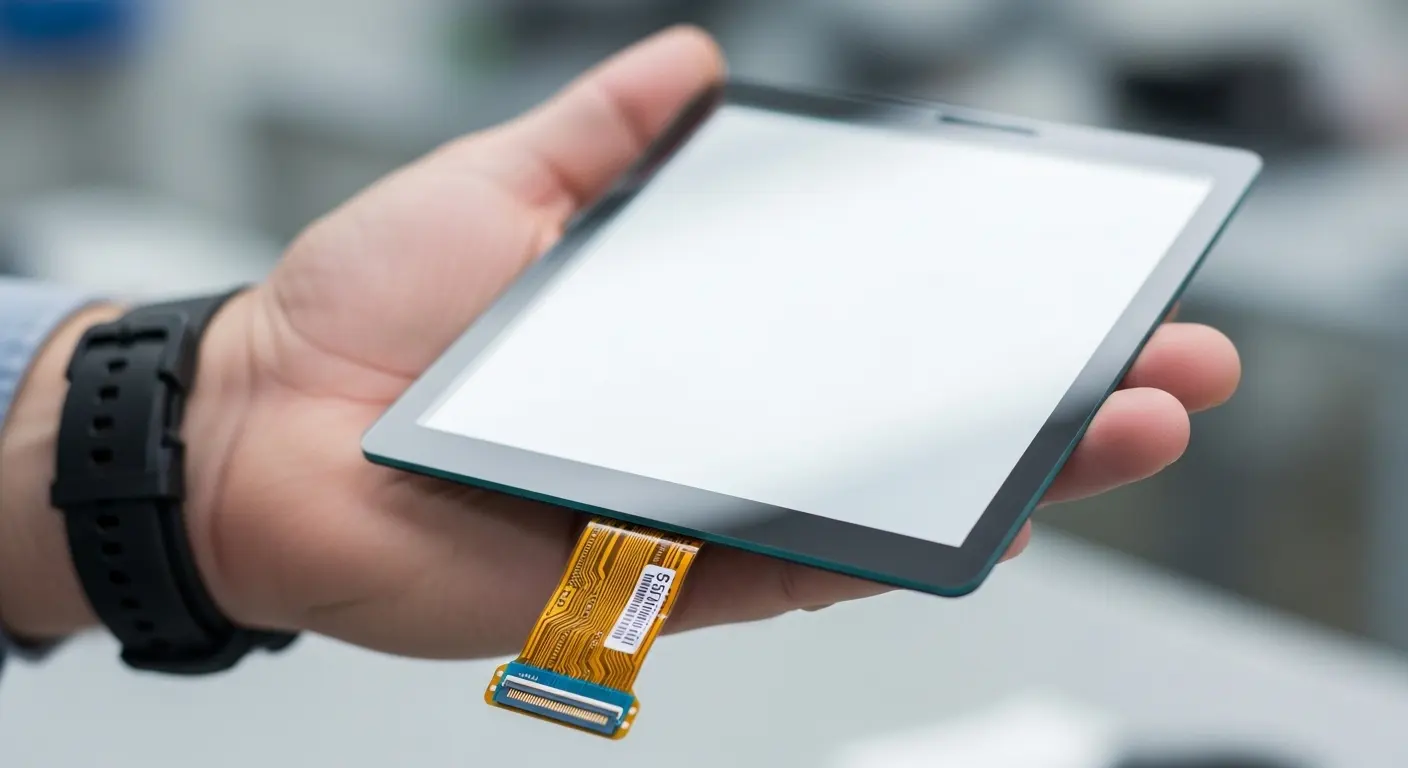
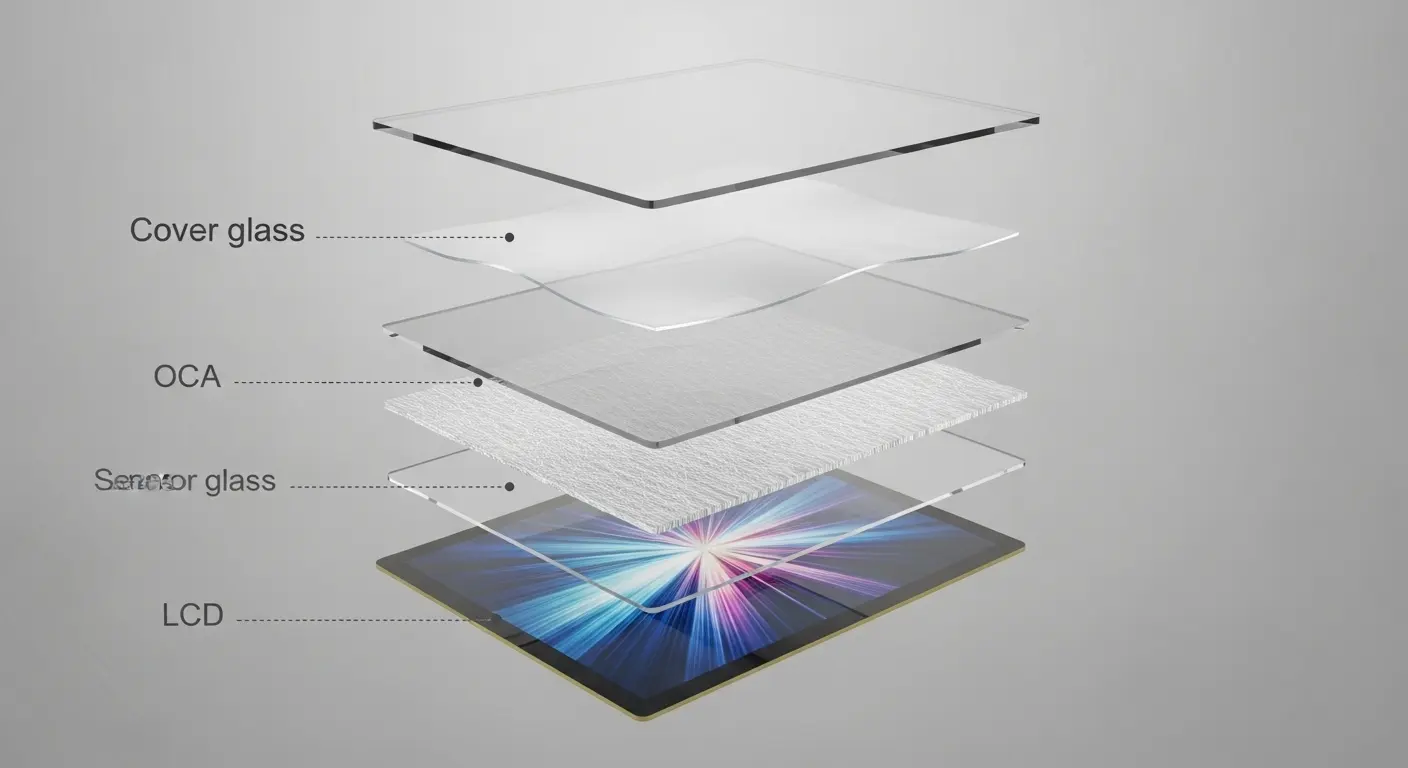
A 5 inch capacitive touch panel is an advanced input device that detects touch by measuring changes in an electrostatic field. It typically consists of a glass cover lens, a transparent sensor layer, and a controller IC. The 5-inch size provides an ideal balance, offering enough surface area for complex graphical user interfaces (GUIs) while remaining small enough for portable or handheld applications.
The core technology behind a capacitive touch panel allows it to be incredibly responsive. Unlike older technology that required physical pressure to register a click, these panels respond to the lightest contact. This makes them perfect for high-speed data entry or environments where fatigue is a concern.
These 5-inch capacitive touch panels are generally built with a glass-on-glass structure. This construction not only provides exceptional optical clarity—allowing the underlying display to shine through vividly—but also makes the device highly resistant to environmental stressors that would degrade plastic-covered screens.
Why Choose 5 Inch Capacitive Touch Panels for Industrial Use?
You should choose a 5 inch capacitive touch panel for industrial use because of its extreme durability, chemical resistance, and superior optical performance. These panels can withstand millions of touches without wear, operate through thick protective overlays, and offer sunlight readability that resistive screens cannot match. Their rugged glass surface is easy to clean and sanitize, making them ideal for medical and factory settings.
I once worked with a client whose field-testing equipment was failing because of screen scratches and "clouding." By switching to a vandal-resistant capacitive panel, we provided a solution that was virtually immune to the sand and grit of their worksites. The difference in longevity was immediate and saved the company thousands in replacement costs.
Key Industrial Benefits:
- High Transparency: Most panels offer >85% light transmission for clear visibility in various lighting conditions.
- Surface Hardness: Usually rated at 6H or 7H, preventing scratches from tools or debris.
- Multi-Touch Capability: Supports up to 10 independent touch points for complex control schemes.
- Sealability: Can be integrated with IP65 or IP67 ratings for protection against dust and water ingress.
How Does a 5 Inch Capacitive Touch Panel Work?
A 5 inch capacitive touch panel works by creating a grid of electrodes on the sensor layer that generates a steady electrostatic field. When a finger touches the glass, it creates a "bridge" for the current, causing a measurable drop in capacitance at that specific intersection. The controller IC processes these signals to determine the exact X and Y coordinates of the touch.
There are two primary methods used to measure this change, each suited for different professional needs.
Mutual Capacitance vs. Self-Capacitance
- Mutual Capacitance: This is the standard for modern 5-inch screens. It measures the capacitance between "drive" and "sense" electrodes. This allows the system to track multiple fingers simultaneously, which is essential for gestures like zooming or rotating.
- Self-Capacitance: This method measures the capacitance of a single electrode relative to the ground. While it is excellent for single-touch precision and "hover" detection, it can struggle with "ghosting" in multi-touch scenarios. A self-capacitance touch panel is often chosen for simpler, low-power IoT devices.
Tip: If your user interface relies on complex gestures or virtual keyboards, always ensure your hardware supports mutual capacitance for the best performance.
What Are the Key Technical Specifications to Consider?
When selecting a 5 inch capacitive touch panel, you must consider the resolution (often 800x480 or 720x1280), the interface type (I2C or USB), and the operating temperature range (typically -20°C to +70°C). You should also verify the cover glass thickness and the specific controller IC used, as these factors determine the panel's responsiveness and impact resistance.
The following table provides a breakdown of what to expect from an industrial-grade 5-inch panel:
| Specification | Standard Grade | High-Performance Grade |
| Active Area | 108.0 x 64.8 mm | 110.0 x 66.0 mm |
| Resolution Support | 800 x 480 (WVGA) | 720 x 1280 (HD) |
| Touch Points | 5 Points | 10 Points |
| Input Voltage | 3.3V | 3.3V - 5.0V |
| Surface Treatment | Clear | Anti-Glare (AG) / Anti-Fingerprint (AF) |
Where are 5 Inch Touch Panels Most Commonly Applied?
The 5 inch capacitive touch panel is most commonly found in handheld medical diagnostic tools, smart home control hubs, automotive infotainment systems, and portable retail POS terminals. Its size is the "sweet spot" for applications that require a robust display of information but need to be small enough for handheld operation or sleek, wall-mounted installations.
In the medical sector, the ability to clean the screen is paramount. A 5-inch panel with a flush glass front has no crevices for bacteria to hide, making it the preferred choice for surgical assistants and bedside monitoring devices.
- Smart Home: Modern thermostats and security panels use this size to display clear, high-definition video feeds.
- Automotive: Secondary control screens for climate or seat adjustments often utilize the 5-inch form factor.
- Handheld IoT: Industrial scanners and inventory tools rely on the high-speed response of capacitive sensors for efficient workflow.
How to Integrate a 5 Inch Touch Panel into Your Design?
Integrating a 5 inch capacitive touch panel involves connecting the FPC (Flexible Printed Circuit) to your main processor via an I2C or USB interface and configuring the software drivers. You must also choose between air bonding (using adhesive tape) or optical bonding (filling the air gap with resin) to attach the touch panel to your LCD for optimal visual results.
The most common integration pitfall is electrical noise. High-frequency signals from other components can interfere with the capacitive sensor, leading to "ghost" touches.
Professional Integration Checklist:
- EMI Shielding: Keep the FPC away from the backlight power supply or high-speed data lines.
- Solid Grounding: Ensure the controller has a direct path to the system ground to maintain signal integrity.
- Bezel Design: Ensure the housing does not apply physical pressure to the active area of the sensor, as this can cause false inputs.
Can a 5 Inch Capacitive Touch Panel Work with Gloves and Water?
Yes, a 5 inch capacitive touch panel can function with gloves and in the presence of water if it is paired with a high-quality controller and tuned firmware. Modern "Water Rejection" and "Glove Mode" algorithms allow the sensor to ignore a continuous film of water while accurately detecting the conductive signature of a gloved finger.
I’ve implemented these panels in outdoor marine navigation tools where they were exposed to constant spray. By utilizing specialized firmware tuning, we ensured the screen remained 100% functional even in the rain.
Tip: If your product will be used in wet environments or by users in the field, ask your supplier for a "water-tuned" firmware profile during the prototyping phase.
What is the Future of 5 Inch Capacitive Touch Technology?
The future of 5 inch capacitive touch panels lies in force-sensing (3D Touch), integrated haptic feedback, and ultra-thin flexible designs. We are moving toward interfaces that provide physical vibrations to simulate the feel of a real button and panels that are thin enough to be integrated into curved surfaces, opening new possibilities for ergonomic industrial design.
As AI becomes more integrated into our devices, these touch panels will also become more "context-aware," adjusting their sensitivity and active areas based on the user's current environment or task requirements.
Final Thought
As we move through 2026, the 5 inch capacitive touch panel is no longer just a component; it is a strategic asset for product differentiation. The global market for electrostatic capacitive panels is projected to reach approximately $1.19 billion in 2026, driven by a massive shift in the automotive and industrial sectors toward sleek, button-less designs. We are witnessing a transition from "static" screens to "intelligent" interfaces where the panel acts as the primary gateway for Edge AI and IoT.
The most significant trend for the coming years is the integration of multi-modal interaction. By 2027, "immersion" will be a key metric for hardware success, with high-fidelity haptic feedback and gesture recognition becoming standard features even in small-scale panels. These advancements allow 5-inch screens to provide the tactile confirmation of a physical button while maintaining the flexibility of a digital display. Furthermore, the move toward ultra-thin glass and energy-efficient designs—including early experiments with energy-harvesting displays—is setting a new benchmark for sustainable, long-life portable devices.
For engineers and product managers, the message is clear: the 5-inch form factor is the "sweet spot" for the next generation of smart hardware. By choosing a panel that supports advanced features like water rejection, glove-mode sensitivity, and mutual capacitance, you are not just building for today; you are future-proofing your product for a world where seamless, intelligent human-machine interaction is the ultimate competitive advantage.
Related Topics

Industrial Touch Display Technology Trends in the Era of Industry 4.0
Aug-07-2026

Touch Panel Selection Guide for Industrial, Outdoor, and Commercial Applications
Aug-07-2026

How to Choose the Right Touch Display Solution for Your Project
Aug-07-2026

How to Choose an Industrial Capacitive Touch Screen: 2026 Guide
Aug-07-2026
Get a Free Quote
✔ 16 Years Manufacture Service ★★★★★
✔ 3 Technical Experts And 52+ Project Engineers Will Assiste You
✔ Wanty Employs Over 52 Engineers, Many Of Whom Come From Leading Tft Lcd Module Companies Such As Tianma And Boe-Varitronix. Each Core Team Member Brings 15 Years Of Industry Experience.
✔ If you would like more information about our products and services, please contact us. Whether you need a standard solution or a customized one, we are here to meet your needs.
✔ Please complete the form below, and the selected location will contact you promptly. Thank you for visiting, and have a great day!
