
13.3 Inch Custom Capacitive Touch Screen: Definitive 2026 Guide
News
Mar-14-2026
A 13.3 inch custom capacitive touch screen is the gold standard for mid-sized interactive displays in industrial, medical, and retail environments. This specific form factor mirrors the familiar widescreen aspect ratio of high-end laptops, making it intuitive for users while offering the ruggedness required for 24/7 professional use. Unlike standard off-the-shelf components, a custom touch solution allows you to tailor every layer—from the cover glass thickness to the controller firmware—ensuring perfect integration into your unique hardware housing.
I have spent years consulting on human-machine interface (HMI) projects. I often see engineers struggle with "ghost touches" or poor visibility in sunlight. These issues usually stem from using a generic screen where a custom solution was needed. By choosing a 13.3 inch custom capacitive touch screen, you eliminate these risks. You gain a device that works exactly how your specific environment demands, whether that is a sterile operating room or a dusty factory floor.
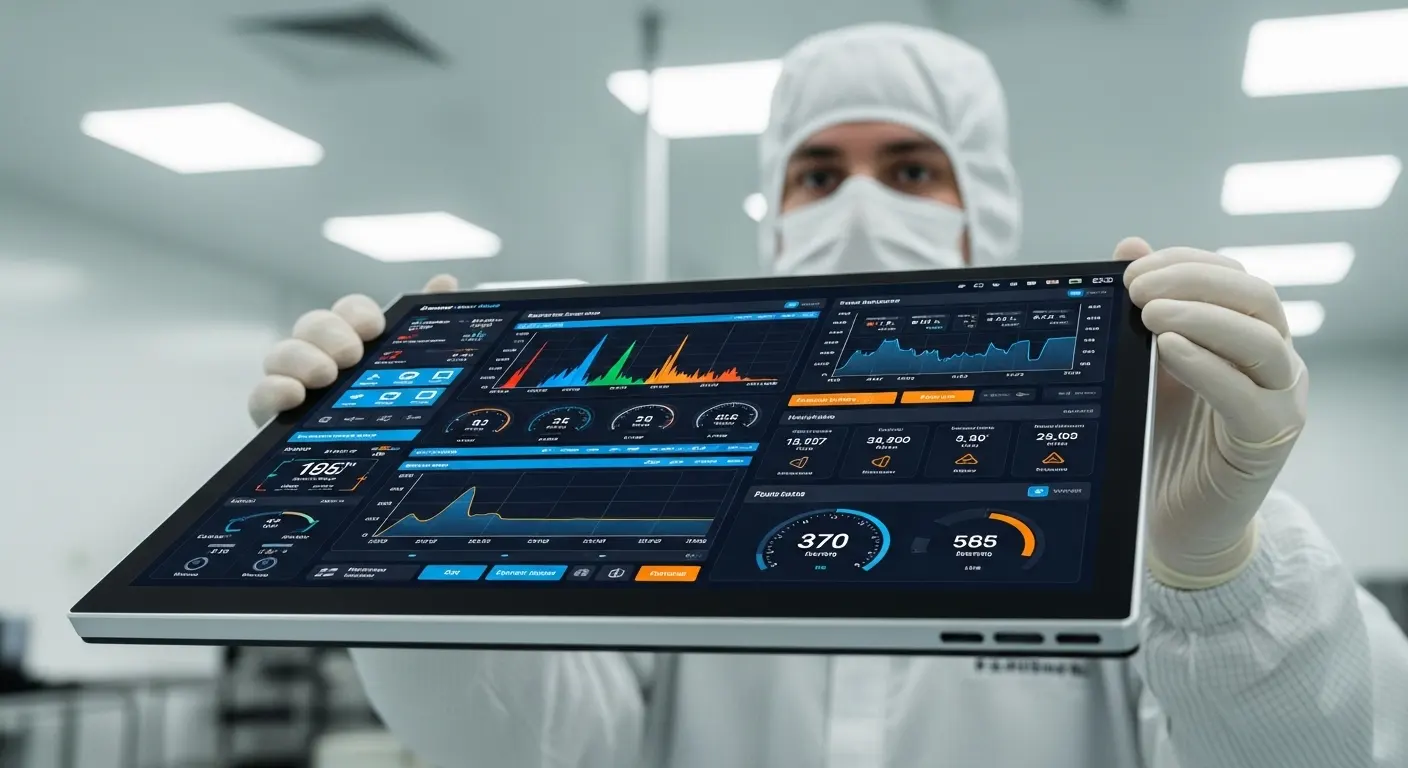
What makes a 13.3 inch custom capacitive touch screen superior?
A 13.3 inch custom capacitive touch screen offers high precision, multi-touch support, and exceptional durability. Unlike resistive screens, it uses an electrostatic grid to detect touch through protective glass. Customization allows for specific dimensions, cover glass thickness, and specialized coatings to meet rigorous industrial or medical standards in various environments.
The transition from resistive to capacitive technology has been revolutionary for professional equipment. When you specify a capacitive touch screen module, you are investing in longevity. Standard resistive screens rely on physical pressure, which eventually wears out the top plastic layer. In contrast, the glass surface of a 13.3-inch capacitive screen can withstand millions of touches without any degradation in performance or clarity.
Furthermore, the "custom" aspect is where you truly solve engineering problems. I once worked on a marine navigation project where standard screens failed due to salt spray interference. By customizing the controller firmware and adding a hydrophobic coating, we created a 13.3-inch interface that remained 100% accurate even when soaked in seawater.
Why is the 13.3-inch form factor so popular in 2026?
The 13.3-inch size is widely popular because it offers a 16:9 widescreen aspect ratio similar to high-end laptops. This provides ample screen real estate for complex software interfaces without the bulk of larger displays. It is the ideal "sweet spot" for retail POS, medical monitors, and industrial control panels.
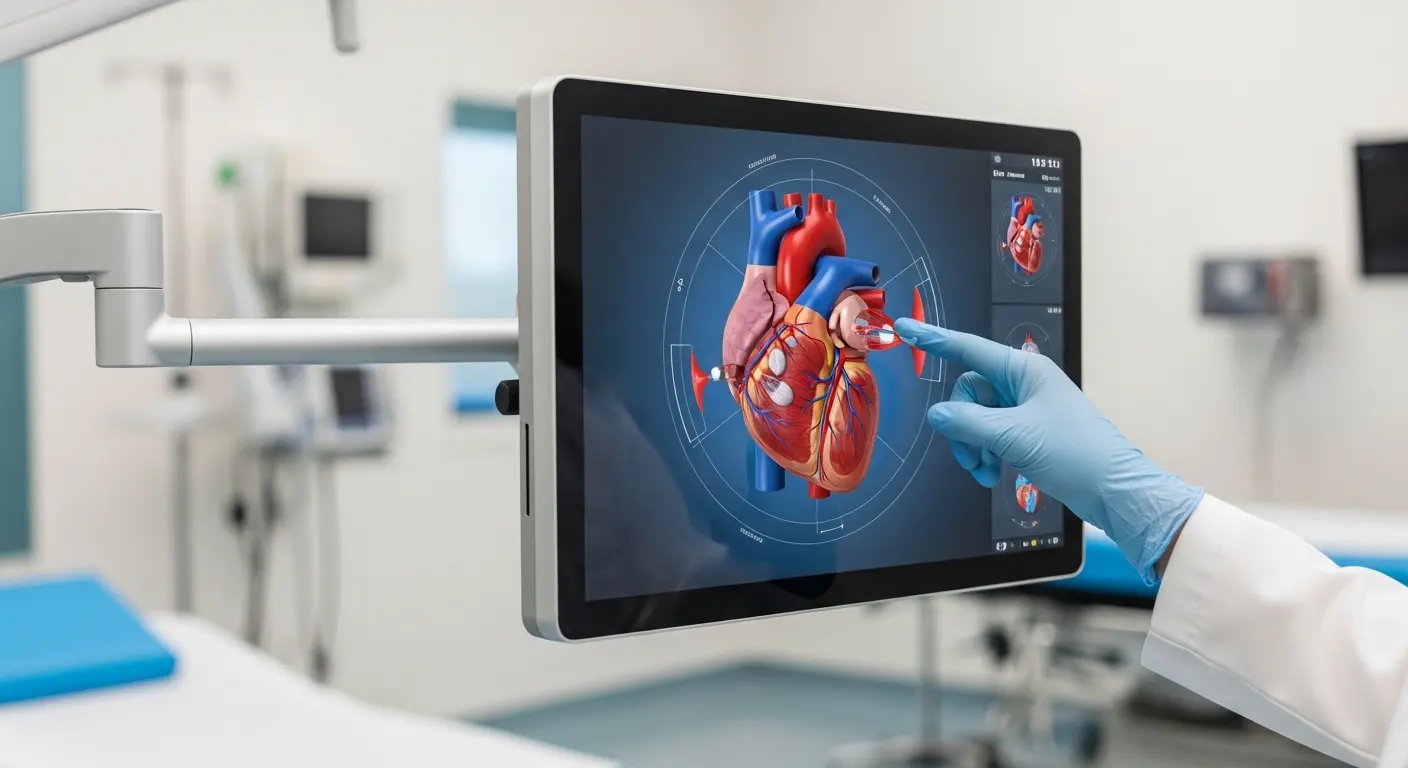
In my experience, 13.3 inches is the minimum size required for a "desktop-class" experience in the field. While a 10.1 inch tft lcd touch display is excellent for handheld devices, the 13.3-inch screen allows for side-by-side multitasking. This is critical for medical professionals who need to view patient vitals and charts simultaneously on one monitor.
| Application Area | Primary Benefit of 13.3-Inch Size |
| Industrial HMI | Replaces physical buttons with high-density digital controls. |
| Medical Monitors | Provides clear, high-resolution imagery for diagnostics. |
| Retail Kiosks | Offers a familiar "tablet-like" experience at a larger scale. |
| Marine/Aviation | Fits perfectly into standard console cutouts while maximizing view. |
How can you customize your touch screen display?
Customization involves modifying the cover lens thickness, adding silk-screen branding, and applying surface treatments like Anti-Glare (AG) or Anti-Reflection (AR). You can also choose between I2C or USB interfaces. A custom capacitive touch screen ensures the hardware fits perfectly into your unique mechanical housing and environmental constraints.
When you work with a custom projected capacitive and resistive touch screen distributor, you can specify the "Impact Rating" of your glass. For public kiosks, I always recommend 3mm or 6mm chemically strengthened glass. This makes the unit virtually vandal-proof.
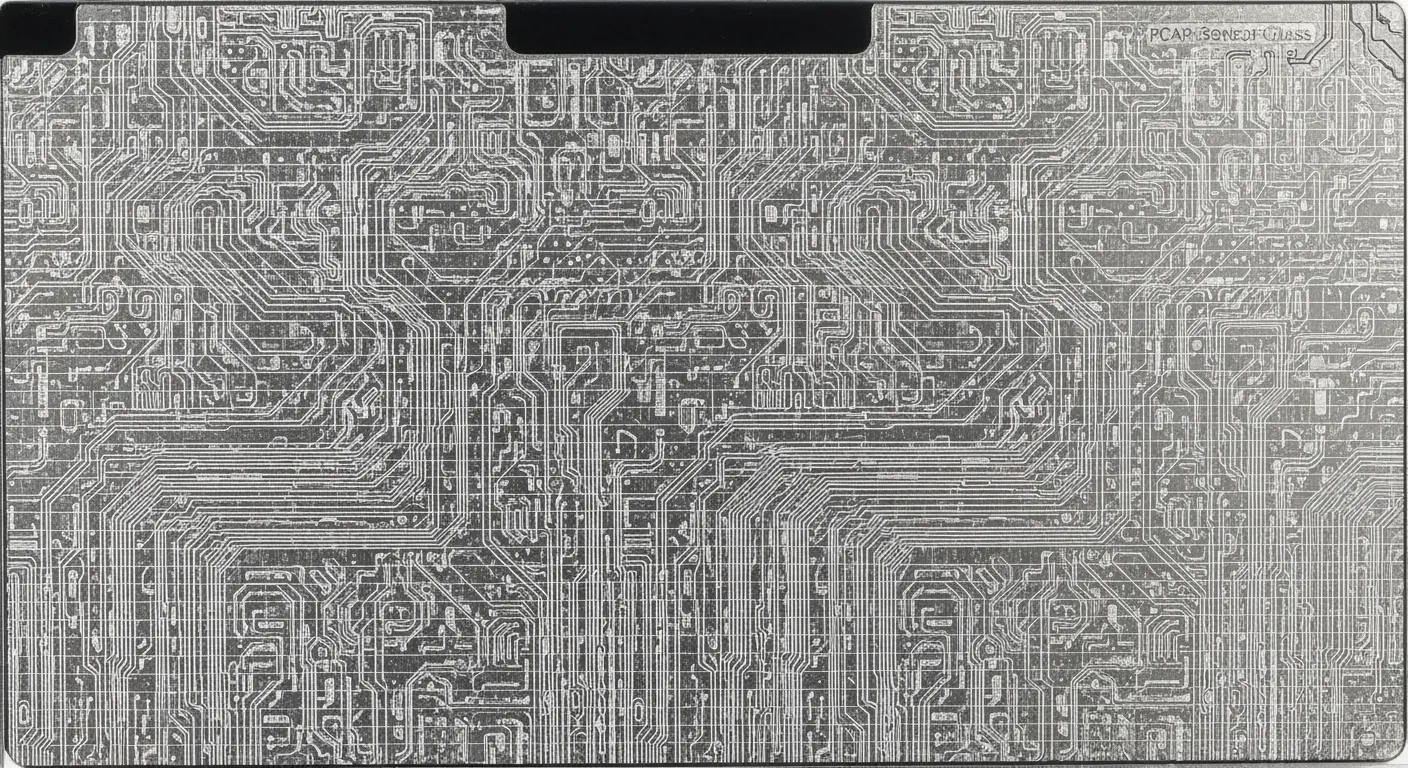
Tip: Don't forget the aesthetics. Custom silk-screen printing allows you to add your company logo or specific colored borders directly onto the back of the glass, creating a seamless, branded look for your end product.
What technical specifications are critical for industrial integration?
Critical industrial specifications include operating temperature ranges (-20°C to +70°C), signal-to-noise ratio (SNR) for EMI resistance, and IK impact ratings. High-tier 12.1 inch capacitive touch screen manufacturers often provide specialized controller ICs like ILITEK or EETI. These ensure the screen works flawlessly near high-voltage machinery or with heavy industrial gloves.
One technical detail that is often overlooked is the "Optical Bonding" method. In 2026, we primarily use OCA (Optically Clear Adhesive) or OCR (Optically Clear Resin). These methods fill the air gap between the touch panel and the LCD.
Benefits of Optical Bonding:
- Zero Condensation: Prevents moisture from fogging up the inside of the screen.
- Improved Contrast: Reduces internal reflections by up to 90%.
- Impact Resistance: The resin acts as a shock absorber for the LCD.
How do you troubleshoot noise and interference in custom touch panels?
Troubleshooting noise involves checking the grounding of the FPC tail and shielding the controller from high-frequency power supplies. Ghost touches often indicate poor EMI filtering. Using a shielded USB cable and ensuring the touch screen is properly bonded—either via tape or optical bonding—helps eliminate air gaps that cause signal interference.
I recently consulted for a factory where the touch screens would randomly "click" whenever a specific motor started. The solution was two-fold: we improved the chassis grounding and updated the firmware to implement frequency hopping. This allowed the 13.3-inch screen to "jump" to a cleaner frequency whenever it detected electrical noise.
Tip: If you experience erratic touch behavior, first check if the power supply is "noisy." Switching to a high-quality, regulated power adapter often solves 50% of touch accuracy issues.
What are the most effective surface treatments for professional displays?
The most effective surface treatments are Anti-Glare (AG), Anti-Reflection (AR), and Anti-Fingerprint (AF). AG is achieved by etching the glass to scatter light, which is essential for indoor offices. AR uses vacuum deposition to reduce reflection, which is mandatory for sunlight-readable outdoor displays. AF is a hydrophobic coating that prevents skin oils from smudging the screen.
In medical environments, the AF coating is more than just a convenience. It allows for easier sanitation and ensures that surgical staff can see critical data clearly, even after hours of use. When specifying your 13.3 inch custom capacitive touch screen, consider the following:
| Treatment | Best For | Technical Method |
| Anti-Glare (AG) | Bright indoor lighting | Chemical Etching |
| Anti-Reflection (AR) | Outdoor / Direct Sunlight | Vacuum Coating |
| Anti-Fingerprint (AF) | High-traffic / Medical | Plasma Spray |
Why is controller IC selection vital for custom screens?
Controller IC selection is vital because it determines the "intelligence" of your touch screen, specifically its ability to handle water rejection and palm rejection. Top-tier brands like EETI and ILITEK offer controllers that can distinguish between a deliberate touch and a water droplet or a resting palm. This level of sophistication is required for high-stakes applications like aircraft cockpits or surgical tablets.
A common mistake is choosing the cheapest controller to save a few dollars. In the long run, this leads to higher support costs and user frustration. A high-quality IC provides the processing power needed to handle 10-point multi-touch without any lag, even when the user is wearing thick winter gloves or latex medical gloves.
How to choose the right manufacturer for your custom project?
Choosing the right manufacturer requires verifying their cleanroom standards, their ability to provide custom firmware, and their long-term supply guarantees. A reliable partner will offer at least a 5 to 10-year production lifecycle. This ensures that you won't have to redesign your entire housing because a specific 13.3-inch panel went "End of Life" (EOL) unexpectedly.
Look for manufacturers that provide in-house optical bonding and have a proven track record with 12.1 inch capacitive touch screen manufacturers. This indicates they have the sophisticated equipment necessary to handle large-format custom glass without introducing dust or bubbles between the layers.
- Verify Certifications: Look for ISO 9001 and ISO 13485 (for medical).
- Request Samples: Test the responsiveness with your specific gloves and environment.
- Check the FPC Design: Ensure the ribbon cable is long enough and positioned correctly for your board.
- Evaluate Support: Does the manufacturer provide the source code for the drivers?
What are the future trends for 13.3-inch touch screens?
The future trends for 13.3-inch touch screens include haptic feedback integration, "hover" touch technology, and integrated AI-driven palm rejection. Haptic feedback will allow users to "feel" digital buttons, providing tactile confirmation in high-vibration environments. Hover technology will enable interaction without physical contact, which is a major breakthrough for sterile hygiene in hospitals.
As we look toward 2027 and beyond, the integration of AI directly into the touch controller will become standard. These "Smart Controllers" will learn the user's touch patterns to filter out accidental inputs even more effectively than today's hardware.
Related Topics

Industrial Touch Display Technology Trends in the Era of Industry 4.0
Aug-07-2026

Touch Panel Selection Guide for Industrial, Outdoor, and Commercial Applications
Aug-07-2026

How to Choose the Right Touch Display Solution for Your Project
Aug-07-2026

How to Choose an Industrial Capacitive Touch Screen: 2026 Guide
Aug-07-2026
Get a Free Quote
✔ 16 Years Manufacture Service ★★★★★
✔ 3 Technical Experts And 52+ Project Engineers Will Assiste You
✔ Wanty Employs Over 52 Engineers, Many Of Whom Come From Leading Tft Lcd Module Companies Such As Tianma And Boe-Varitronix. Each Core Team Member Brings 15 Years Of Industry Experience.
✔ If you would like more information about our products and services, please contact us. Whether you need a standard solution or a customized one, we are here to meet your needs.
✔ Please complete the form below, and the selected location will contact you promptly. Thank you for visiting, and have a great day!
