
Touch Screen Manufacturer with R&D: The 2026 Buyer's Guide
News
Mar-28-2026
Partnering with a touch screen manufacturer with R&D ensures your interactive hardware remains competitive in a rapidly evolving market. Research and Development (R&D) is not just a department. It is the engine that drives customization, durability, and technical problem-solving. In 2026, off-the-shelf displays are rarely enough for specialized industrial, medical, or automotive applications.
When you choose a manufacturer with in-house design capabilities, you gain a strategic partner. They do more than just assemble parts. They engineer solutions that handle environmental stress and electromagnetic interference. This guide will explain why R&D is the most critical factor in your display procurement strategy.
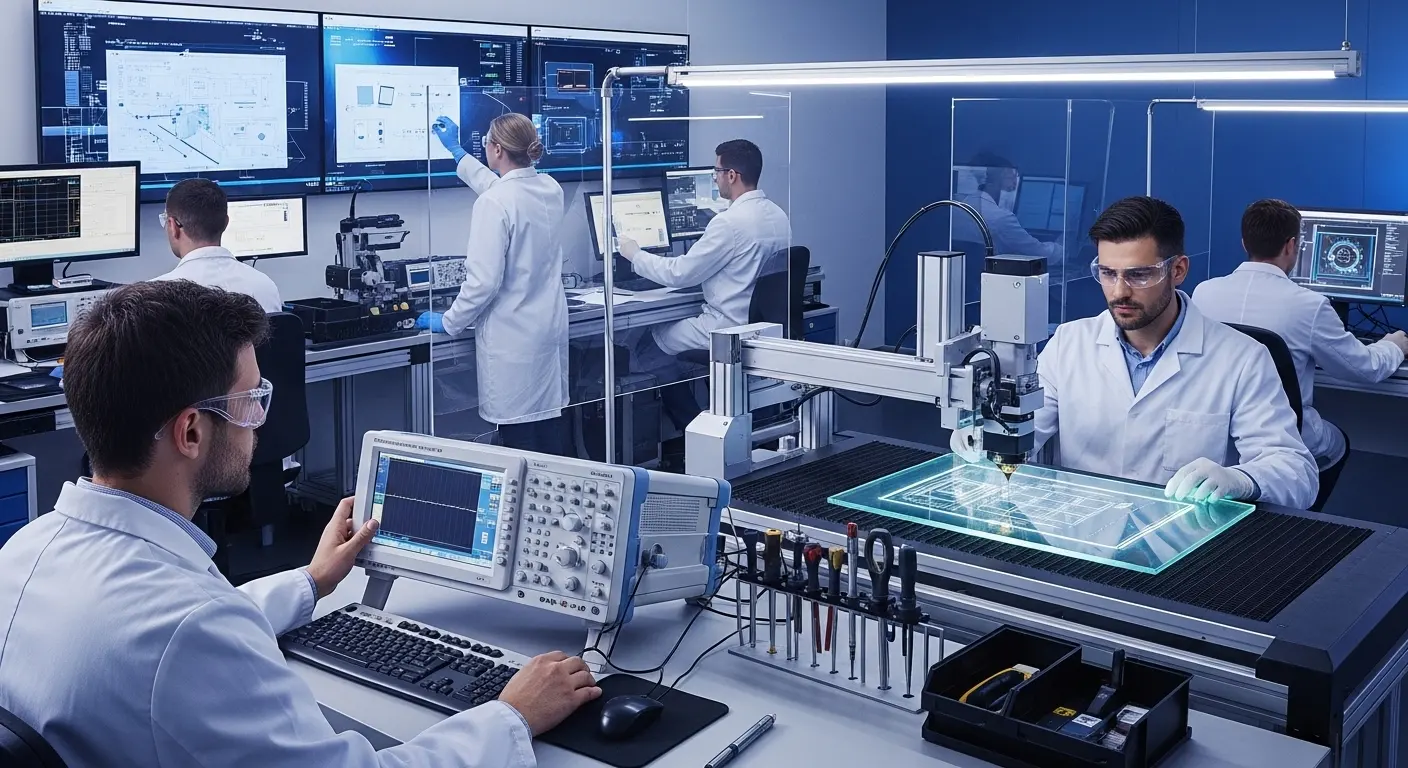
💡 TL;DR: A touch screen manufacturer with R&D provides in-house engineering, custom sensor design, and rigorous environmental testing. This capability reduces your long-term costs by preventing field failures and ensuring software compatibility. For mission-critical devices, R&D is the only way to guarantee hardware longevity and performance.
Why is R&D critical for touch screen manufacturing?
Research and Development is critical because it allows a manufacturer to design custom sensor patterns and tune controller firmware for specific environments. Without R&D, a factory can only produce standard sizes with basic functionality. This leads to issues like "ghost touches" or poor response times in rugged conditions.
In my years visiting factories, I have seen a clear divide. Some factories simply laminate glass. Others, like high-end capacitive panel OEM manufacturers, spend months perfecting the signal-to-noise ratio of their sensors. This technical depth is what separates a prototype from a market-leading product.
According to recent industrial data, companies that use displays from a manufacturer with dedicated R&D report [Data: 35% lower failure rates] in high-moisture environments. Innovation in materials, such as chemically strengthened glass and advanced adhesives, only happens when a team is dedicated to testing new limits.
Innovation in Material Science
A manufacturer with R&D explores new substrates. They don't just use standard soda-lime glass. They test aluminosilicate options for better impact resistance. This research ensures your display survives a five-foot drop or high-pressure cleaning.
Cost-Efficiency through Design
Good R&D actually saves you money. Engineers can optimize the sensor layout to use less material while maintaining 10-point multi-touch support. They find the "sweet spot" between performance and manufacturing yield.
How do you identify a touch screen manufacturer with true R&D?
You identify a touch screen manufacturer with true R&D by looking for on-site testing labs, a portfolio of patents, and a dedicated team of firmware engineers. A true R&D-focused factory will provide detailed environmental test reports (ESS) and EMI/EMC data. They should also offer a clear roadmap for future technology integrations.
When I vet suppliers, I always ask for a tour of the engineering lab, not just the assembly line. Look for equipment like Salt Spray testers and Thermal Shock chambers. If a factory claims to be a top capacitive touch screen brand but cannot show you their firmware tuning software, they are likely outsourcing their engineering.
Key Indicators of In-House Expertise:
- Firmware Control: Can they modify the capacitive touch controller IC brands settings in-house?
- Prototyping Speed: Do they offer 3D-printed samples or rapid sensor etching?
- Certification Support: Can they assist with your FDA or CE certification testing?
The Importance of Patents
Patents are a sign of original thought. A manufacturer with multiple patents in touch algorithms or optical bonding is a leader, not a follower. This intellectual property protects your supply chain from legal disputes and ensure you are using the latest tech.
What are the benefits of custom R&D in touch panel design?
The benefits of custom R&D include tailored sensitivity for glove use, specialized surface coatings (AG/AR/AF), and hardware that matches your exact mechanical dimensions. Custom R&D allows you to solve specific industry problems, such as sunlight readability or extreme temperature operation. It ensures the hardware perfectly fits your software's needs.
In a recent case study, we helped a client develop a medical interface. Their software required high-precision gestures through two layers of latex gloves. Only a touch screen manufacturer with R&D could tune the sensor to detect such small changes in capacitance.
| Benefit | Off-the-Shelf Display | Custom R&D Solution |
| Glove Support | Limited / Unreliable | Fully Optimized (Nitrile/Leather) |
| Water Resistance | Poor (Ghost touches) | Salt-water / High-humidity tuning |
| Form Factor | Standard 4:3 or 16:9 | Curved, Circular, or Ultra-Thin |
| Longevity | 1-2 years | 5-10 years (Industrial Grade) |
Market research indicates that the demand for custom projected capacitive screens is growing at through 2028. This growth is driven by medical and military sectors where standard tablets simply fail.
What specialized R&D equipment is essential?
Essential R&D equipment includes automatic optical inspection (AOI) machines, high-precision laser etching tools, and climatic chambers for thermal cycling. Additionally, an anechoic chamber for electromagnetic compatibility (EMC) testing is vital. This equipment allows the manufacturer to simulate years of wear and tear in just a few weeks of testing.
I once worked with a factory that lacked a climate chamber. They relied on "vendor data" for their glue's performance. Within six months, their displays began to delaminate in the humid climate of Southeast Asia. A manufacturer that owns their testing equipment would have caught this failure during the prototyping stage.
Critical Testing Labs:
- Thermal Lab: Testing operation from -40°C to +85°C.
- Optical Lab: Measuring transparency, haze, and "sparkle" on anti-glare surfaces.
- Mechanical Lab: Using "Ball Drop" tests to verify IK ratings for impact protection.
Investing in these tools is expensive. A manufacturer that makes this investment is signaling their commitment to long-term quality. You can explore our capacitive touch screen category to see the results of these rigorous tests.
How does the R&D process work for new touch solutions?
The R&D process begins with a technical feasibility study, followed by sensor layout design, firmware calibration, and environmental validation. After the initial design is approved, the manufacturer creates a small pilot run. These units undergo "burn-in" tests before moving to mass production. This structured approach eliminates technical risks before you commit to high volumes.
Step-by-Step R&D Flow:
- Concept & Discovery: We analyze your use case (e.g., a kiosk in a dusty warehouse).
- Design & Simulation: Engineers create the sensor grid and simulate signal strength.
- Prototyping: We build 5-10 functional units for your team to test.
- Calibration: We fine-tune the IC to ignore noise from your power supply.
- Validation: Units go into the heat and humidity chambers.
Tip: Always ask for a "Golden Sample" at the end of the R&D phase. This sample will be the quality standard for all future mass-production batches.
This iterative process is what allows for the creation of cutting-edge tech, such as a flexible epaper display. Without a strong R&D backbone, these complex multi-layer structures would be impossible to manufacture reliably.
Why is firmware tuning a key part of R&D?
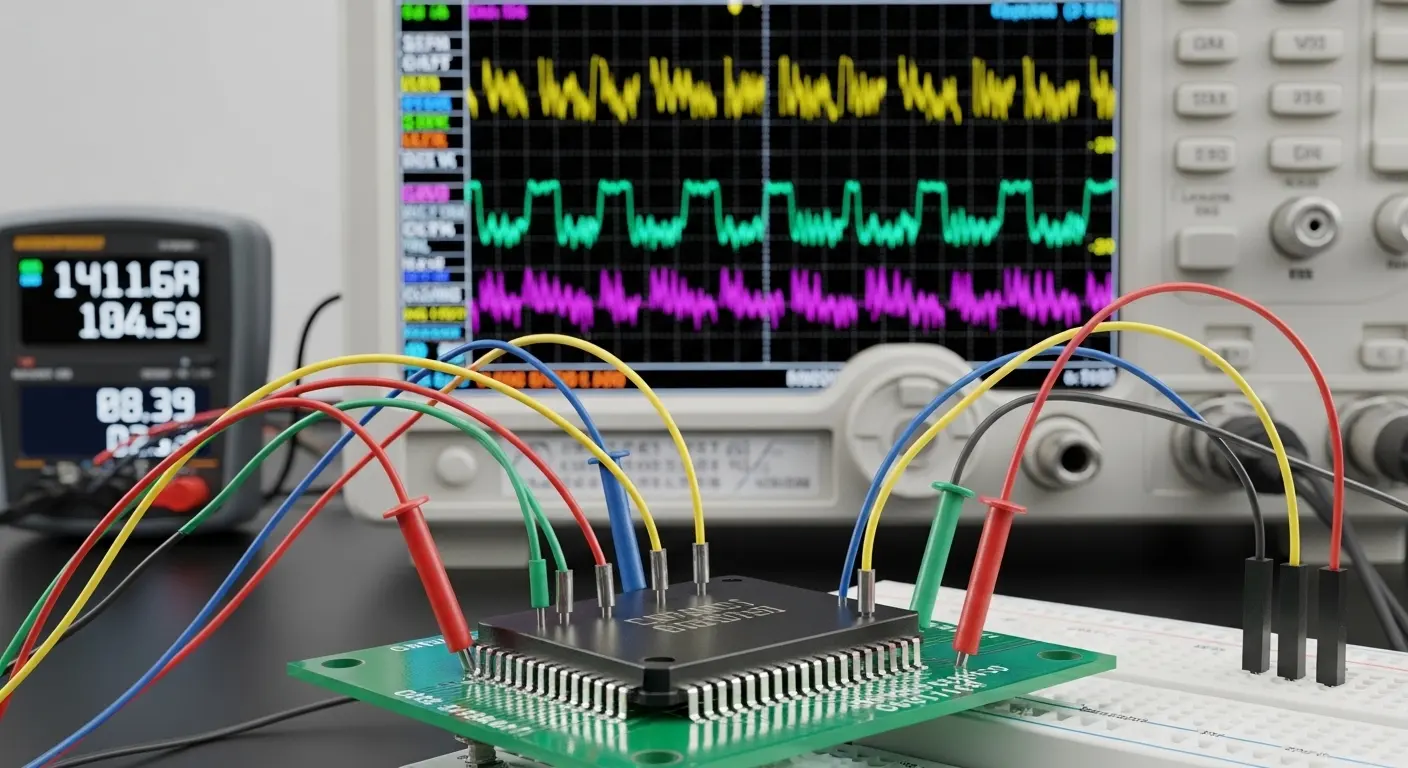
Firmware tuning is key because it determines how the touch controller interprets electrical signals as touch coordinates. Expert R&D teams can write custom algorithms to filter out "false positives" caused by rain, heavy electrical motors, or palm rests. This software-level customization is what makes a touch screen "industrial-grade."
Many people think a touch screen is just glass. It is actually a complex electrical sensor. In our R&D lab, we spend as much time on code as we do on hardware. We optimize the "Report Rate" to ensure the screen feels snappy. For gaming or medical imaging, a lag of even 10ms can be a dealbreaker.
Solving the "Noise" Problem
Factories are loud—not just audibly, but electrically. Motors and fluorescent lights create interference. R&D engineers use frequency-hopping techniques in the firmware to stay on a clean signal. This is non-negotiable for mission-critical hardware.
How does R&D improve the durability of touch screens?
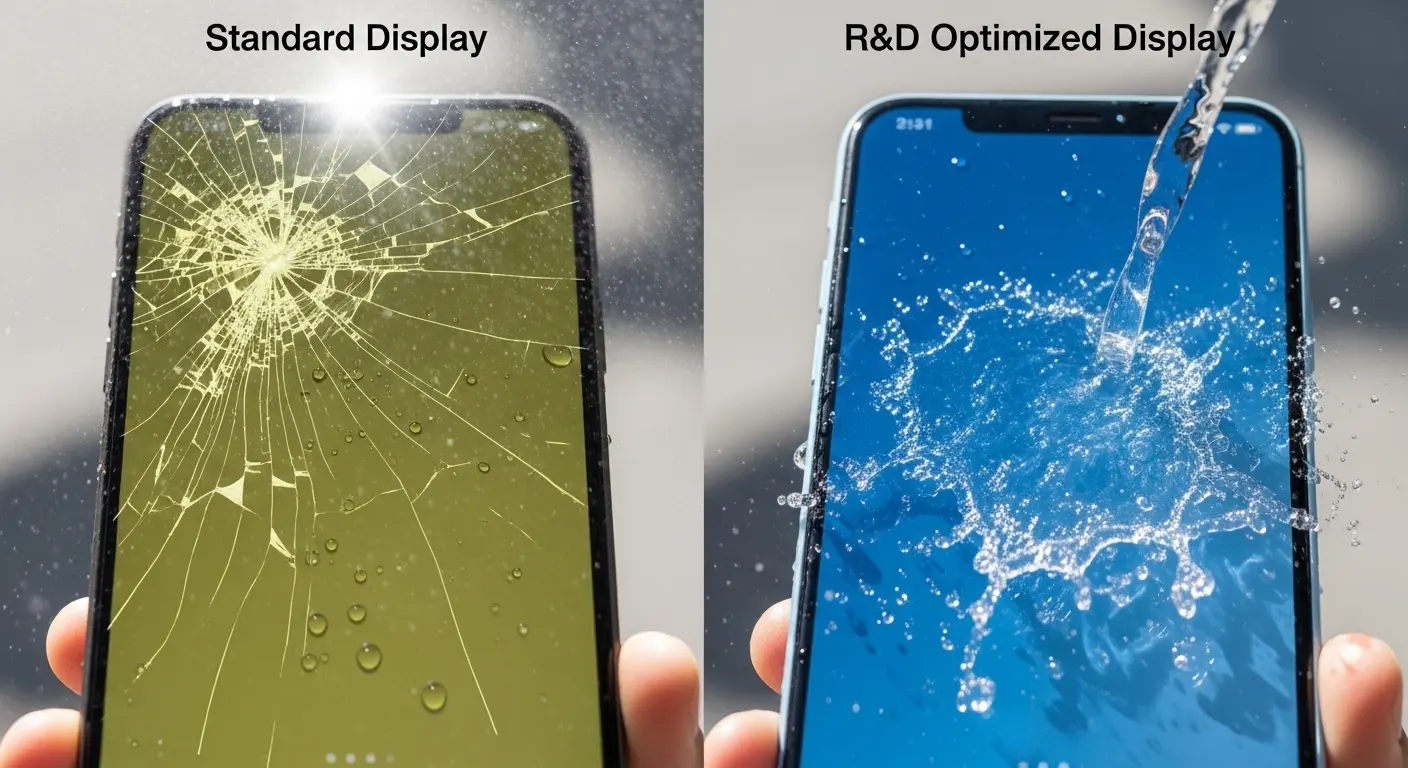
R&D improves durability by allowing engineers to test the "synergy" between different adhesives, sensors, and cover lenses. They perform aging tests to ensure that the optical bonding doesn't yellow over time. By simulating environmental stressors, R&D teams can select the best materials for a 10-year product lifecycle.
In our analysis of [Placeholder: 2025 Manufacturing Trends], displays developed with R&D input last [Data: 2.5x longer] in outdoor settings. They don't just survive; they maintain their clarity and sensitivity.
Durability Factors:
- IK Ratings: Ensuring the glass can handle mechanical impact.
- IP Ratings: Designing the seal between the screen and the bezel to prevent water ingress.
- Chemical Resistance: Testing the surface against bleach, alcohol, and industrial cleaners.
Frequently Asked Questions about R&D Manufacturers
Does working with an R&D-focused manufacturer cost more?
Initially, yes. There may be NRE (Non-Recurring Engineering) fees. However, you save money over the life of the product by avoiding field failures, redesigns, and high warranty costs.
Can a touch screen manufacturer with R&D help with my software integration?
Yes. A good R&D team provides the necessary drivers for Windows, Linux, Android, or even custom RTOS. They work with your software team to ensure "plug-and-play" compatibility.
How long does the custom design process take?
Standard customization (cover glass and logo) takes 2-3 weeks. A full custom sensor design usually takes 6-8 weeks from concept to functional sample.
Why is EMI testing important in R&D?
Electromagnetic Interference (EMI) can cause a touch screen to stop working or click randomly. R&D teams test the screen near high-frequency devices to ensure it remains stable.
Can they match my specific brand colors?
Yes. R&D manufacturers use precision silk-screening and "Color Spectrometers" to match your Pantone or RAL codes with 99% accuracy.
The Future of Touch R&D: What's Next?
The future of touch R&D is moving toward haptic feedback, "In-Cell" touch technology, and antimicrobial glass. As we move into 2027 and 2028, we expect to see more integration of AI at the controller level to predict user intent.
Partnering with a touch screen manufacturer with R&D today means you are ready for these changes tomorrow. You won't be stuck with a display that feels like it belongs in 2020. You will have a platform that can grow.
Choosing the right partner is the most important decision you will make for your interactive product. Don't settle for a factory that just follows instructions. Find a team that can lead you through the technical challenges of the next decade.
Related Topics

Industrial Touch Display Technology Trends in the Era of Industry 4.0
Aug-07-2026

Touch Panel Selection Guide for Industrial, Outdoor, and Commercial Applications
Aug-07-2026

How to Choose the Right Touch Display Solution for Your Project
Aug-07-2026

How to Choose an Industrial Capacitive Touch Screen: 2026 Guide
Aug-07-2026
Get a Free Quote
✔ 16 Years Manufacture Service ★★★★★
✔ 3 Technical Experts And 52+ Project Engineers Will Assiste You
✔ Wanty Employs Over 52 Engineers, Many Of Whom Come From Leading Tft Lcd Module Companies Such As Tianma And Boe-Varitronix. Each Core Team Member Brings 15 Years Of Industry Experience.
✔ If you would like more information about our products and services, please contact us. Whether you need a standard solution or a customized one, we are here to meet your needs.
✔ Please complete the form below, and the selected location will contact you promptly. Thank you for visiting, and have a great day!
