
Touch Screen for Fitness Equipment: 2026 Durability & Tech Guide
News
Mar-10-2026
Integrating a high-performance touch screen for fitness equipment is the most effective way to modernize treadmills, stationary bikes, and rowing machines. Modern users expect a smartphone-like experience during their workouts. This requires displays that are responsive, crystal clear, and capable of withstanding heavy daily use. A high-quality interface does more than just show data; it transforms a piece of iron into an interactive coaching platform.
In the competitive fitness market, the "digital experience" is often the deciding factor for gym owners and home consumers. We have moved past the era of simple membrane buttons. Today, people want to stream classes, track biometric data in real-time, and navigate complex workout menus with a single swipe. If your screen fails because of a little sweat or high-intensity vibration, your entire brand reputation is at risk.
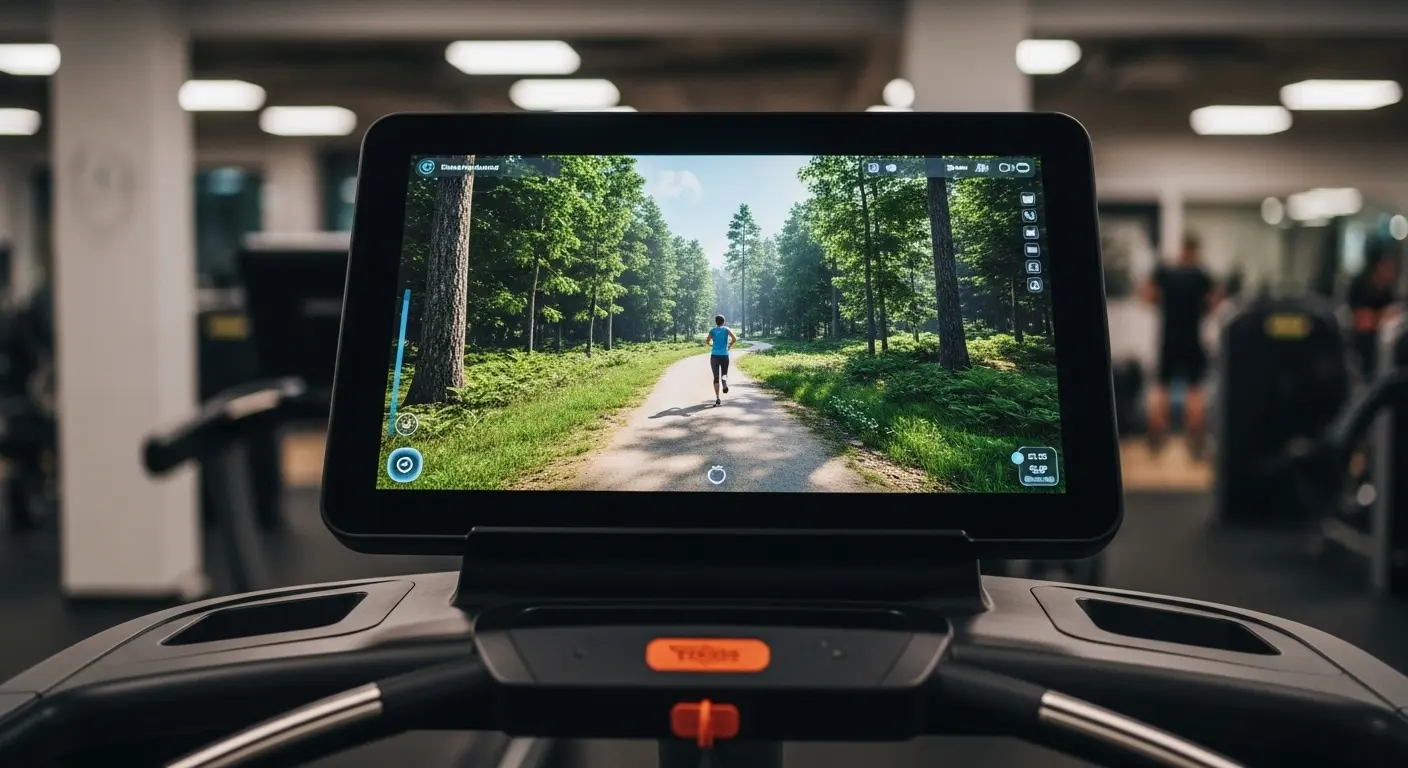
Reliability in these environments is not optional. Fitness equipment is subjected to unique stressors that consumer electronics simply cannot handle. From the salt in human perspiration to the constant rhythmic thumping of a runner on a treadmill, every component is tested to its limit. Choosing the right display technology is about balancing sleek aesthetics with rugged engineering.
Why is a Touch Screen for Fitness Equipment Necessary?
A touch screen for fitness equipment provides a centralized hub for user interaction, data tracking, and entertainment. It replaces mechanical buttons with a dynamic interface that can be updated via software. This allows manufacturers to offer personalized workout programs, cloud connectivity, and immersive virtual environments that keep users engaged and motivated for longer periods.
In my years of consulting with hardware designers, I have seen a massive shift toward "gamification." Fitness is no longer just about lifting weights; it is about competing on a global leaderboard. A robust fitness equipment touch screen makes this possible by supporting high-speed data processing and multi-touch gestures.
Without a modern interface, a machine feels dated. Consumers now equate the quality of the screen with the quality of the mechanical build. By integrating a responsive display, you are not just adding a feature; you are providing a window into a connected ecosystem that increases the value of the equipment.
Which Touch Screen Technology is Best for Gym Environments?
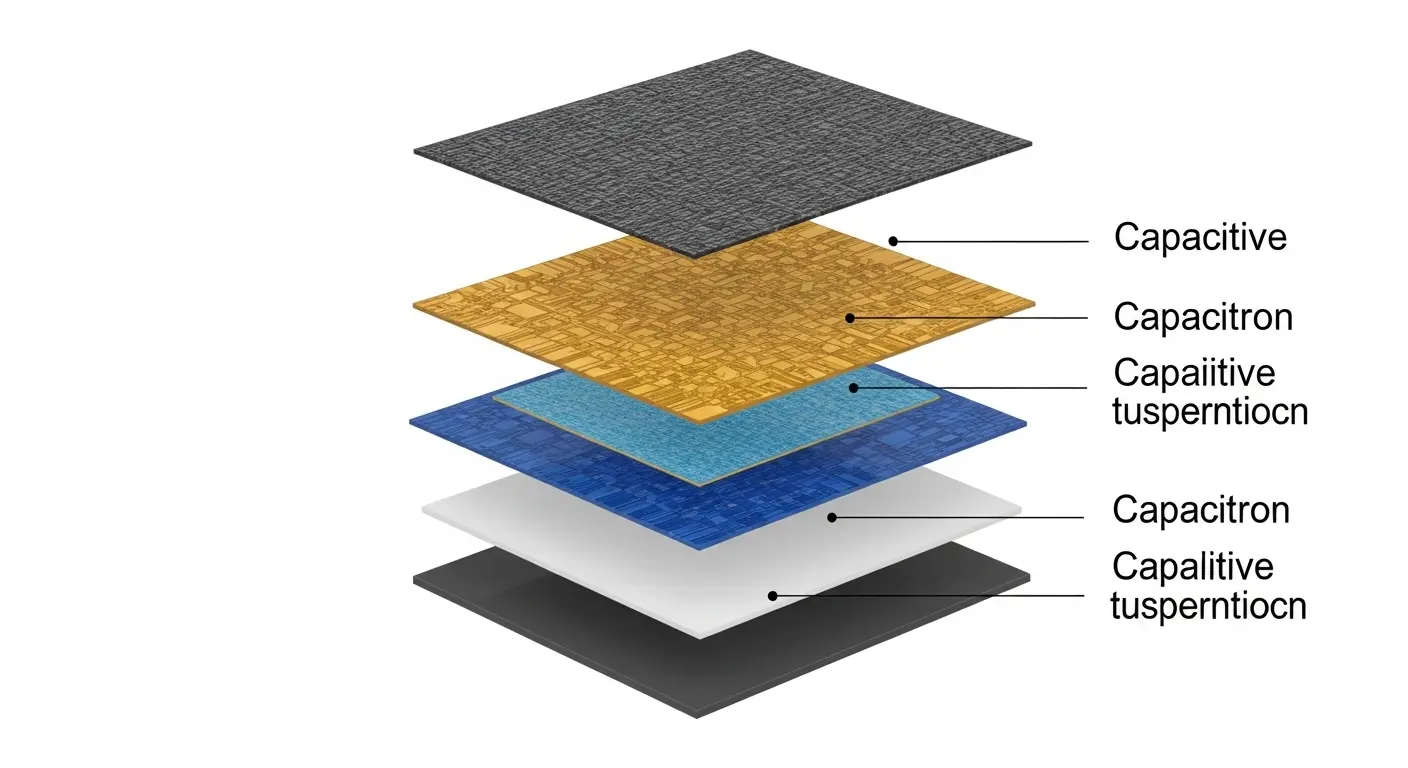
Projected Capacitive (PCAP) technology is the industry standard for gym environments because it offers superior durability and multi-touch capabilities. Unlike resistive screens, PCAP sensors use a glass-on-glass construction that resists scratches and moisture. This technology is essential for handling the fast, light touches and swipes expected by modern fitness enthusiasts.
When we look at capacitive touch screen use cases, fitness stands out as one of the most demanding. Think about the environment: high humidity, fluctuating temperatures, and users who may be wearing gloves or have sweaty hands. PCAP screens can be tuned to work under these conditions without losing accuracy.
Resistive screens, which rely on pressure, often fail in gyms because the top plastic layer can be punctured or worn down over time. In contrast, a capacitive screen can be shielded by chemically strengthened cover glass, ensuring the internal sensor remains protected even if the surface takes a hard hit.
How Does Sweat and Moisture Affect Fitness Touch Screens?
Sweat and moisture can cause "ghost touches" or total unresponsiveness on standard touch screens. To prevent this, specialized controllers and firmware are used to differentiate between a human finger and water droplets. Additionally, high-quality screens feature waterproof gaskets and oleophobic coatings that repel oils and moisture for a cleaner, safer interface.
I’ve witnessed machines in commercial gyms fail within months because sweat seeped into the bezel. This is where touch screen installation solutions become critical. Proper sealing techniques, such as optical bonding, fill the air gap between the LCD and the touch panel. This prevents internal condensation and ensures the screen remains visible even in a steamy sauna or a high-intensity spin class.
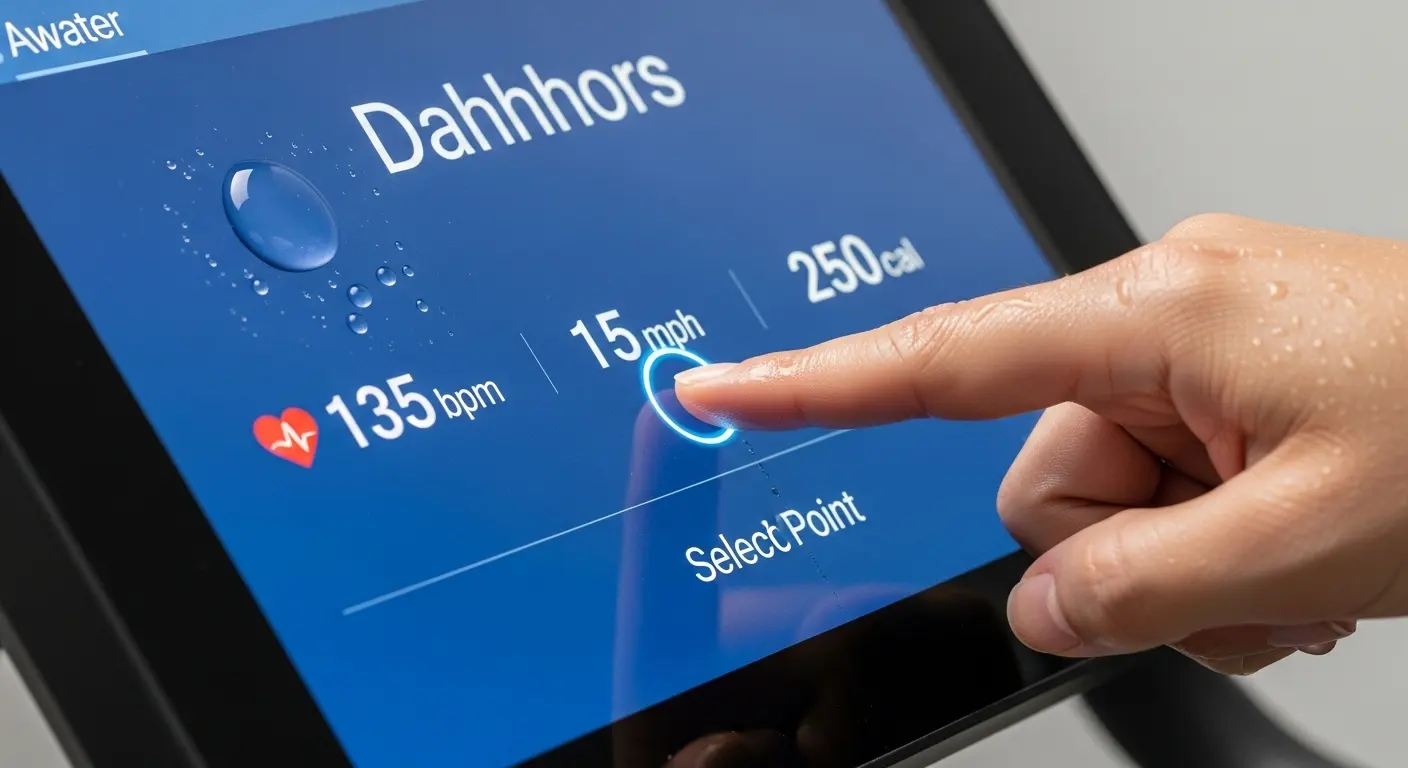
Tip: Always specify a "water rejection" firmware setting during the design phase. This ensures that a drop of sweat hitting the screen won't accidentally pause a user's workout in the middle of a sprint.
How Do TFT LCD Products Improve the Workout Experience?
High-quality TFT LCD products provide the brightness and color depth needed for immersive workout videos. With high-resolution panels, fitness instructors appear lifelike, and data overlays remain sharp even under the bright fluorescent lighting found in most commercial gyms. These displays also offer wide viewing angles, which are essential for floor-based exercises.
Most gym equipment is used in environments with significant overhead lighting. A low-quality screen will suffer from glare and reflections, making it impossible to read stats. By using a TFT display with high-nit brightness (typically 500 nits or higher) and an anti-glare coating, you ensure that the user can always see their progress.
Furthermore, TFT technology allows for high refresh rates. This is vital when displaying fast-moving scenery in a virtual cycling app. If the screen stutters or ghosts, it can lead to motion sickness or a disjointed experience. A high-performance LCD ensures every frame is smooth, keeping the user focused on their fitness goals.
What Are the Standard Sizes for Fitness Equipment Displays?
The most common sizes for fitness equipment displays range from 7 inches to 21 inches, depending on the machine. A 7-inch capacitive touch panel is often the perfect choice for compact bikes or rowers where space is limited but interactivity is still required. Larger treadmills often utilize 15-inch to 21-inch screens for a cinematic feel.
Selecting the right size is about balance. You want enough real estate to display a "dashboard" of metrics (speed, heart rate, calories) while also leaving room for video content. However, the screen cannot be so large that it interferes with the user’s range of motion or makes the machine top-heavy.
| Equipment Type | Typical Screen Size | Key Feature Needed |
| Stationary Bike | 10" - 15" | High viewing angle |
| Treadmill | 15" - 21" | Vibration resistance |
| Rowing Machine | 7" - 10" | Water/Sweat resistance |
| Home Gym/Mirror | 21" - 32" | Full-body reflection/Video |
How Can Manufacturers Ensure Long-Term Durability?
Manufacturers ensure long-term durability by using chemically strengthened cover glass and ruggedized mounting hardware. Testing protocols for fitness screens usually include ball-drop tests for impact resistance and extreme temperature cycling. Choosing a sensor with a high MTBF (Mean Time Between Failures) is crucial for equipment that might run 18 hours a day.
In a professional setting, downtime is expensive. If a gym's flagship treadmill has a broken screen, it is a negative reflection on the facility. In my experience, using a cover glass with a 7H or 8H hardness rating is the best defense against scratches from rings, keys, or accidental bumps with dumbbells.
| Durability Factor | Specification | Benefit |
| Surface Hardness | 7H - 9H | Resists scratches and cracks |
| Operating Temp | -10°C to +60°C | Handles unheated storage/gym heat |
| IK Rating | IK07+ | High impact protection |
| Bonding | Optical Bonding | No internal moisture or dust |
What is the Best Way to Install a Touch Screen in Fitness Gear?
The best installation method involves a "flush mount" design that eliminates bezels where dust and sweat can collect. Using industrial-grade adhesives and precision-cut gaskets ensures an IP65 or higher rating for the front panel. This makes the equipment easier to clean and disinfect between uses, which is a top priority in modern fitness centers.
Many engineers overlook the importance of the mounting frame. Fitness machines vibrate—a lot. If the touch screen is not securely integrated using dampening materials, the internal components can rattle loose over time. A robust touch screen installation solution accounts for this mechanical stress, ensuring the connection between the sensor and the controller remains stable.
Tip: For commercial gym equipment, a completely flat "True Flat" design is preferred. This allows staff to wipe down the entire console with one swipe, improving hygiene and maintenance speed.
How Does EMI Interference Affect Gym Touch Screens?
Electromagnetic Interference (EMI) can be a significant issue in gyms where dozens of electronic machines are packed into a small space. Wireless heart rate monitors, Wi-Fi routers, and the heavy-duty motors of treadmills all generate electrical noise. A high-quality touch screen must include shielded cables and a controller that filters out this noise to prevent erratic touch behavior.
I have seen cases where a treadmill motor starting up caused a nearby touch screen to register dozens of "fake" touches. This is dangerous and frustrating. High-end PCAP controllers are specifically designed with frequency hopping and noise filtering to ignore these external signals. When sourcing your fitness equipment touch screen, always ask for the EMI test reports.
What Customization Options are Available for Fitness Displays?
Customization options include surface treatments like Anti-Glare (AG), Anti-Reflective (AR), and Anti-Fingerprint (AF) coatings. Manufacturers can also customize the "start-up" screen, integrate physical buttons (like emergency stops) alongside the touch panel, and choose custom cover glass shapes that fit the unique aesthetic of their brand.
- Anti-Glare (AG): Scatters light to reduce reflections from gym lights.
- Anti-Reflective (AR): Increases light transmission for a brighter display.
- Anti-Fingerprint (AF): Makes the screen easier to clean and reduces smudging.
- Custom Printing: Add your brand logo directly onto the glass border.
Customization is not just about looks; it's about functionality. For instance, if your machine is used outdoors (like in some cross-fit parks), you will need a specialized AR coating to combat direct sunlight.
What is the Future of Interactive Fitness Technology?
The future of interactive fitness lies in AI-driven personalization and "contactless" gesture control. We are beginning to see screens that use 3D cameras to track a user’s form and provide real-time corrections. Additionally, the integration of haptic feedback will allow users to "feel" virtual buttons, making the interface even more intuitive.
As we move toward 2026 and beyond, the capacitive touch screen use cases will expand into fully immersive virtual reality (VR) integrated consoles. Imagine a treadmill screen that doesn't just show a video of a trail, but adjusts the lighting in the room and provides tactile feedback when you "hit" an obstacle.
The screen is no longer just a monitor; it is becoming a sophisticated sensor array. Manufacturers who adopt high-resolution, high-sensitivity touch technology now will be better positioned to integrate these future AI features as they become standard.
How to Choose the Right Touch Screen Supplier?
Choosing the right supplier for a touch screen for fitness equipment requires looking for a partner with extensive industrial experience. You need a supplier who understands the specific rigors of the fitness industry and offers long-term availability of components. A supplier like Wantysz provides the engineering support needed to navigate complex installation and environmental challenges.
Ask potential suppliers the following questions:
- Do you offer optical bonding services in-house?
- Can your PCAP controllers be tuned for high-humidity environments?
- What is the standard lead time for customized cover glass?
- Do you have experience with EMI shielding for high-power motorized equipment?
Tip: Always request a sample for a "sweat test." Apply a saline solution to the screen while it's running to see if the touch response remains accurate. If the supplier is confident in their product, they will welcome the challenge.
Final Thoughts
The integration of a premium touch screen for fitness equipment is no longer a luxury—it is a baseline requirement for modern gym gear. By focusing on durability, moisture resistance, and high-quality visual performance, manufacturers can create products that truly stand out in a crowded market.
The technology you choose today will dictate the user experience for years to come. Whether it is a 7-inch capacitive touch panel for a budget rower or a 21-inch high-def display for a premium treadmill, the goal is the same: to create a seamless, engaging, and reliable interface. By partnering with experts and utilizing the best in TFT LCD products, you ensure that your equipment is ready for the future of fitness.
Related Topics

Industrial Touch Display Technology Trends in the Era of Industry 4.0
Aug-07-2026

Touch Panel Selection Guide for Industrial, Outdoor, and Commercial Applications
Aug-07-2026

How to Choose the Right Touch Display Solution for Your Project
Aug-07-2026

How to Choose an Industrial Capacitive Touch Screen: 2026 Guide
Aug-07-2026
Get a Free Quote
✔ 16 Years Manufacture Service ★★★★★
✔ 3 Technical Experts And 52+ Project Engineers Will Assiste You
✔ Wanty Employs Over 52 Engineers, Many Of Whom Come From Leading Tft Lcd Module Companies Such As Tianma And Boe-Varitronix. Each Core Team Member Brings 15 Years Of Industry Experience.
✔ If you would like more information about our products and services, please contact us. Whether you need a standard solution or a customized one, we are here to meet your needs.
✔ Please complete the form below, and the selected location will contact you promptly. Thank you for visiting, and have a great day!
